
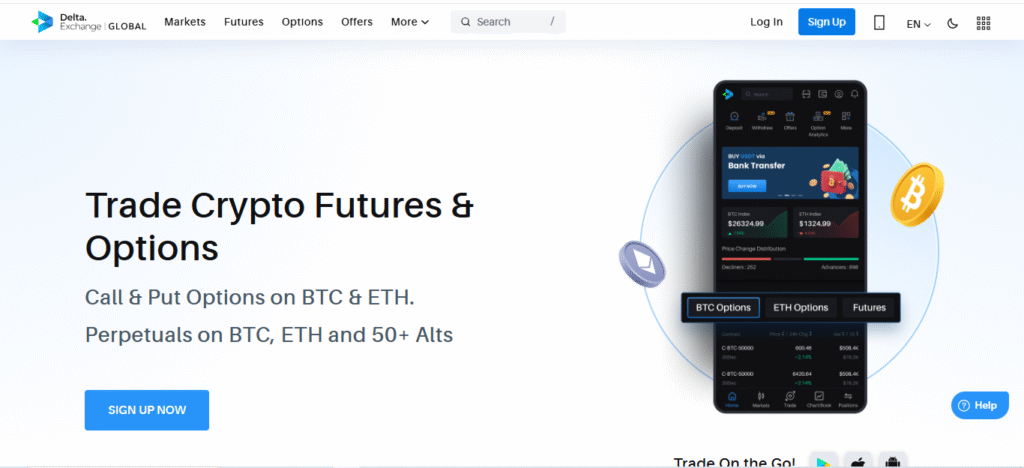
The world of online trading promises unprecedented opportunities, but beneath the surface often lurk platforms designed to exploit unsuspecting investors. Our investigative team has turned its spotlight on Delta Exchange, a platform that has increasingly become a subject of grave concern among traders globally. This comprehensive report serves as an urgent warning, detailing a pattern of user complaints, regulatory irregularities, and highly questionable operational practices that demand immediate attention. Before you consider depositing a single penny with Delta Exchange, we urge you to read every word of this critical exposé. Our purpose is to arm you with the truth and protect your hard-earned capital from potential financial misconduct.
Regulatory Warnings and Compliance Issues
A cornerstone of trust in any financial platform is its adherence to strict regulatory standards. Reputable brokers operate under the watchful eye of governmental bodies, ensuring transparency, investor protection, and fair play. However, our investigation into Delta Exchange reveals a disturbing lack of robust regulatory oversight, raising significant red flags about its legitimacy and operational integrity. The absence of proper licensing in key jurisdictions is not merely an administrative oversight; it is a fundamental breach of trust that leaves investors exposed to immense risk.
Unlicensed Operations and Jurisdictional Concerns
One of the most alarming findings regarding Delta Exchange is its apparent operation without adequate licensing from established financial authorities in numerous regions where it actively solicits clients. While the platform may claim to be registered in certain jurisdictions, these often turn out to be locales with lax regulatory frameworks or merely incorporation addresses that offer no real investor protection. For instance, reputable bodies like the Financial Conduct Authority (FCA) in the UK, the Australian Securities and Investments Commission (ASIC), or the Commodity Futures Trading Commission (CFTC) in the US have stringent requirements for brokers dealing with derivatives and cryptocurrencies. A platform like Delta Exchange that bypasses these requirements operates in a legal grey area, making it virtually impossible for defrauded clients to seek recourse through official channels. This lack of accountability is a hallmark of many predatory schemes.
Lack of Transparency in Corporate Structure
Further compounding the regulatory concerns is the opaque corporate structure of Delta Exchange. A legitimate financial entity should openly disclose its ownership, management team, and principal operational offices. Yet, information concerning the true beneficial owners and the individuals behind Delta Exchange is often shrouded in secrecy. This anonymity allows operators to evade scrutiny and accountability, making it challenging for investigators or regulatory bodies to identify and pursue those responsible for any malpractices. When a company intentionally obscures its identity, it’s a classic warning sign that should prompt immediate caution from any potential investor. This deliberate obfuscation is not a feature of transparent, trustworthy financial institutions, but rather a tactic commonly employed by entities with something to hide.
Analysis of User Complaints and Red Flags
The digital landscape is rife with forums and review sites where individuals share their experiences with various trading platforms. A deep dive into these public domains reveals a consistent and concerning pattern of complaints against Delta Exchange. These are not isolated incidents but rather a systemic series of issues that point towards significant operational problems, if not outright fraudulent behavior. The volume and nature of these grievances paint a grim picture for anyone considering engaging with the platform.
Persistent Withdrawal Problems: A Major Red Flag
Among the most frequently reported and distressing issues are the chronic difficulties users face when attempting to withdraw their funds from Delta Exchange. Numerous accounts detail initial smooth deposits, only for the withdrawal process to become an insurmountable hurdle. Users report:
- Excessive Delays: Withdrawals taking weeks or even months to process, far beyond the advertised timeframes.
- Unresponsive Support: Customer service channels becoming silent or providing generic, unhelpful responses when withdrawal issues are raised.
- Arbitrary Fees: Sudden imposition of high “withdrawal fees” or “conversion charges” that were not disclosed upfront, significantly eroding the requested amount.
- Account Freezes: Users reporting their accounts being inexplicably frozen or suspended immediately after initiating a withdrawal request, often with vague explanations or no explanation at all.
- Verification Traps: Endless requests for additional, often obscure, verification documents, creating a bureaucratic maze designed to frustrate users into abandoning their withdrawal attempts.
These withdrawal problems are not merely inconveniences; they are a critical indicator of a platform that may be struggling with liquidity, or worse, intentionally withholding client funds. This practice is a common modus operandi for fraudulent brokers.
Customer Support Blackouts and Unresolved Issues
Another recurring complaint revolves around the abysmal quality and accessibility of Delta Exchange‘s customer support. When issues arise—be it with trading, account access, or crucially, withdrawals—users report encountering:
- Lack of Communication: Emails going unanswered, live chat agents providing canned responses, and phone lines being perpetually unavailable.
- Incompetent Assistance: Even when contact is made, support staff often appear ill-equipped to resolve complex issues, frequently deflecting responsibility or blaming the user.
- Aggressive Tactics: Some users have reported aggressive or intimidating responses from support staff when they persist with their complaints, particularly concerning fund withdrawals.
Effective customer support is vital for any financial service. Its absence or deliberate obstruction suggests a platform that actively avoids accountability and resolution, leaving users feeling helpless and defrauded. This pattern is deeply concerning and directly impacts the trust and reliability of Delta Exchange.
Deceptive Marketing Tactics and Misleading Claims
To attract new investors, many questionable platforms employ sophisticated marketing strategies that often border on, or cross into, outright deception. Delta Exchange appears to be no exception, utilizing tactics designed to lure in unsuspecting individuals with promises of high returns and minimal risk, often obscuring the true nature of their operations.
High-Pressure Sales and Unrealistic Profit Guarantees
Reports indicate that Delta Exchange or its associated entities might engage in high-pressure sales tactics. Potential clients are often contacted by “account managers” or “financial advisors” who push them to deposit large sums, promising guaranteed or exceptionally high returns in a short period. These claims are fundamentally unrealistic in legitimate financial markets, where all investments carry inherent risk. Such guarantees are a classic hallmark of a scam. Investors are often pressured to invest more, to “unlock” higher profit tiers or access “exclusive” opportunities, leading to further financial exposure. These aggressive sales pitches, often delivered with a sense of urgency, are designed to bypass rational decision-making and exploit a victim’s desire for quick wealth.
Opaque Fee Structures and Hidden Charges
Transparency in fees is paramount for any reputable trading platform. Investors need to understand exactly what they are paying for. However, users of Delta Exchange frequently report encountering a bewildering array of hidden fees and charges that appear only after funds have been deposited or when withdrawal is attempted. These can include:
- Exorbitant Spreads: Unusually wide bid-ask spreads that eat into profits.
- Inactive Account Fees: High charges for accounts deemed inactive, often without clear prior notification.
- Unexplained Commissions: Deductions from trades or accounts that are not clearly itemized or justified.
- Withdrawal Penalties: As mentioned earlier, sudden and significant fees applied specifically to withdrawals, often making it uneconomical to retrieve smaller balances.
This deliberate lack of clarity regarding costs is a predatory practice, designed to maximize the platform’s revenue at the expense of its users, often leaving them with far less than they initially invested or believed they had earned. For more information on identifying such schemes, consider reviewing resources like How to Spot a Trading Scam.
The Anatomy of a Potential Scam: What Investors Report
When piecing together the myriad complaints and regulatory concerns surrounding Delta Exchange, a disturbing pattern emerges that is highly consistent with known financial scam methodologies. The collective experience of users points towards a platform that may be designed not for legitimate trading, but for systematic extraction of funds from its clients.
Account Manipulation Allegations
Several users have reported suspicious activities within their Delta Exchange trading accounts. These allegations include:
- Unauthorised Trades: Trades being executed without the user’s consent, often leading to losses.
- Price Manipulation: Discrepancies between the prices displayed on the platform and real-time market prices, always to the detriment of the user. This can manifest as sudden, inexplicable spikes or drops that trigger stop-losses or prevent profitable exits.
- Disappearing Profits: Instances where reported profits vanish, or account balances fluctuate inexplicably without corresponding trading activity.
Such allegations, if substantiated, indicate a severe breach of trust and a direct manipulation of the trading environment, making fair trading impossible. These tactics are designed to ensure that the platform, not the trader, always wins.
Disappearing Funds and Unresponsive Support
The ultimate outcome for many individuals who engage with platforms exhibiting these red flags is the complete loss of their invested capital. When withdrawal requests are continuously denied, accounts are frozen, and customer support becomes a black hole, the funds effectively disappear. This is the tragic conclusion of many interactions with suspected scam brokers. The emotional and financial toll on victims is immense, as they are left with no recourse and often no explanation. This final stage of the alleged Delta Exchange scam cycle is the most devastating, highlighting the urgent need for this warning. Understanding Understanding Crypto Broker Risks is crucial for all investors.
Protecting Yourself: Steps to Take Against Suspected Fraud
If you have already invested with Delta Exchange and are experiencing any of the issues outlined above, or if you are considering investing and have been alerted by these red flags, immediate action is crucial. Do not delay, as time can be a critical factor in recovering funds or preventing further losses.
Document Everything and Gather Evidence
The first and most important step is to systematically gather all available evidence related to your interactions with Delta Exchange. This includes:
- Communication Records: Save all emails, chat transcripts, and any other correspondence with Delta Exchange customer service or account managers. Screenshot everything, including timestamps.
- Transaction History: Download or screenshot all deposit and withdrawal records, including bank statements, cryptocurrency transaction IDs, and platform statements.
- Account Screenshots: Take regular screenshots of your trading account, showing your balance, open positions, and any discrepancies.
- Marketing Materials: Save any promotional materials, advertisements, or promises made by Delta Exchange that might be misleading.
This comprehensive documentation will be invaluable if you decide to pursue legal action or report the platform to authorities.
Report to Financial Authorities
Do not hesitate to report your experience to relevant financial regulatory bodies in your jurisdiction, as well as in any jurisdiction where Delta Exchange claims to operate. Even if the platform is unlicensed, these reports help authorities build a case and issue public warnings. Key authorities include:
- The Financial Conduct Authority (FCA) in the UK.
- The Australian Securities and Investments Commission (ASIC).
- The Commodity Futures Trading Commission (CFTC) or Securities and Exchange Commission (SEC) in the US.
- Your local consumer protection agency.
These bodies often have dedicated channels for reporting suspected financial fraud. Your report contributes to a larger effort to expose and shut down fraudulent operations. For example, the FCA Warning List is a public resource where consumers can check if a firm is operating without authorization. Similarly, ASIC Moneysmart Scam Warnings offers valuable insights and reporting mechanisms.
Seek Legal Counsel
For significant financial losses, consulting with a lawyer specializing in financial fraud or asset recovery is highly recommended. Legal professionals can advise you on the best course of action, which may include:
- Chargebacks: If you deposited funds via credit card, your bank might be able to initiate a chargeback.
- Legal Action: Exploring options for collective or individual legal action against the perpetrators.
- International Cooperation: Leveraging international legal frameworks to pursue recovery, especially if the platform operates across borders.
Acting swiftly and professionally increases your chances of recovering at least a portion of your lost funds.
Why Due Diligence is Non-Negotiable
The case of Delta Exchange, as illuminated by a multitude of user complaints and regulatory concerns, serves as a stark reminder of the inherent risks in the unregulated or poorly regulated corners of the financial market. The allure of quick profits can often blind investors to the fundamental principles of due diligence. Before committing any capital to an online trading platform, particularly in the volatile cryptocurrency and derivatives space, thorough research is not just advisable—it is absolutely essential. Always verify a platform’s regulatory status, scrutinize user reviews, and be wary of promises that sound too good to be true. Remember, legitimate financial opportunities rarely involve high-pressure sales or guaranteed, unrealistic returns. Protecting your investments starts with robust personal research and a healthy skepticism towards unverified claims. For further guidance on safeguarding your assets, read Protecting Your Investments Online. The CFTC Red Flags of Fraud provides excellent general advice on what to look out for.
Conclusion: Our Final Warning Against Delta Exchange
Our extensive investigation has uncovered a disturbing pattern of behavior associated with Delta Exchange, characterized by persistent withdrawal issues, significant regulatory red flags, opaque operational practices, and a concerning volume of user complaints detailing alleged deceptive tactics and potential account manipulation. These findings collectively paint a picture of a platform that operates with questionable integrity, posing substantial risks to the financial well-being of its users.
Based on the overwhelming evidence and the consistent nature of the reported problems, our firm conclusion is that Delta Exchange exhibits numerous characteristics commonly associated with fraudulent trading operations. We strongly advise against engaging with Delta Exchange in any capacity. Existing users should prioritize documenting their interactions and seeking immediate assistance from financial authorities and legal experts to protect their assets. Do not allow the promise of easy wealth to override your common sense and critical judgment. Your financial security is paramount, and platforms like Delta Exchange appear to undermine that security at every turn. Report any suspicious activity immediately to prevent others from falling victim.
Written by a consumer advocacy journalist specializing in financial fraud investigation.
External Links Reference Table
| Anchor Text | URL | Description |
|---|---|---|
| FCA Warning List | https://www.fca.org.uk/scamsmart/warning-list | Official list from the UK’s Financial Conduct Authority detailing firms operating without authorization or suspected of being scams. Essential resource for checking broker legitimacy. |
| ASIC Moneysmart Scam Warnings | https://moneysmart.gov.au/scams | Australian Securities and Investments Commission’s consumer website providing warnings about various scams, including investment and trading fraud, and advice on how to report them. |
| CFTC Red Flags of Fraud | https://www.cftc.gov/LearnAndProtect/AdvisoriesAndArticles/fraudredflags.html | The U.S. Commodity Futures Trading Commission’s guide outlining common red flags associated with investment fraud, offering valuable insights for identifying potential scams in futures, options, and crypto markets. |