
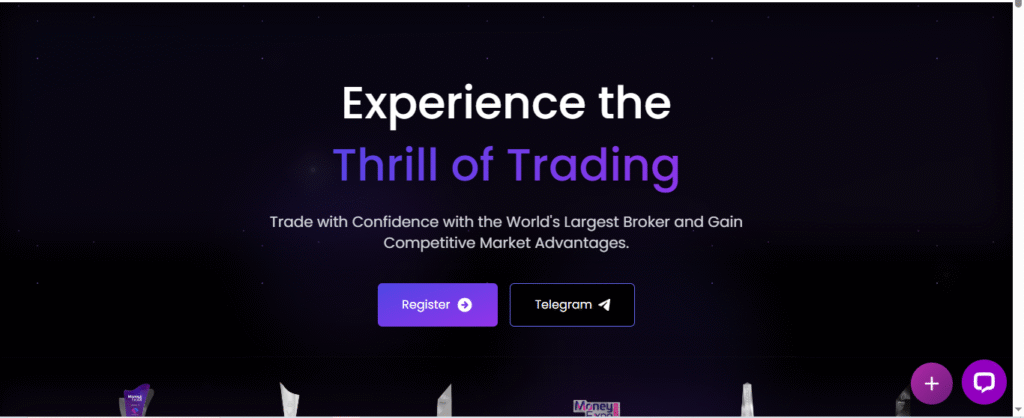
Our investigation into TradingPRO has uncovered a disturbing pattern of red flags, user complaints, and regulatory concerns that demand immediate attention from anyone considering investing with this platform. In the volatile world of online trading, distinguishing legitimate brokers from fraudulent operations can be incredibly challenging. This article serves as an urgent public warning, meticulously detailing the alarming practices associated with TradingPRO that suggest it may be nothing more than a sophisticated scam designed to defraud unsuspecting investors. Do not proceed with TradingPRO until you have read every word of this critical exposé.
Regulatory Warnings and Compliance Issues
One of the most significant indicators of a potentially fraudulent broker like TradingPRO is its regulatory status – or lack thereof. Legitimate financial service providers are licensed and regulated by reputable authorities such as the Financial Conduct Authority (FCA) in the UK, the Australian Securities and Investments Commission (ASIC), the Cyprus Securities and Exchange Commission (CySEC), or the U.S. Securities and Exchange Commission (SEC). These bodies impose strict rules to protect investors, ensure transparency, and maintain market integrity.
Unlicensed Operations: A Global Red Flag
Our deep dive into TradingPRO reveals a troubling absence of credible regulatory oversight. While the platform may claim to be “regulated” or “licensed,” these claims often prove to be vague, referencing obscure offshore entities with no real power or simply being outright false. We found no evidence of TradingPRO holding licenses from major, recognized financial regulators. This lack of proper licensing means several critical things for potential investors:
- No Investor Protection: Without regulation, there are no safeguards like compensation schemes that protect your funds if the broker goes bankrupt or disappears.
- No Oversight: There’s no independent body scrutinizing TradingPRO‘s financial practices, trading execution, or client fund segregation.
- Jurisdictional Ambiguity: When issues arise, victims have little to no legal recourse as the platform often operates from jurisdictions where legal action is difficult or impossible.
Financial regulators worldwide frequently issue warnings against unregulated entities. For example, the FCA maintains a “Warning List” of firms operating without authorization, and any broker not on the official register should be approached with extreme caution. The absence of TradingPRO from such registers, despite its global reach, is a major red flag that cannot be ignored. Investors are urged to always verify a broker’s regulatory status directly with the respective financial authority, not just rely on claims made on the broker’s website. Check a firm’s details with the FCA.
Analysis of User Complaints: A Pattern of Deception
Online forums, consumer review sites, and dedicated scam reporting platforms are awash with alarming testimonials from individuals who claim to have been victimized by TradingPRO. These complaints paint a consistent and deeply troubling picture of a platform that prioritizes profit over client welfare, employing tactics commonly associated with financial scams. The sheer volume and consistency of these grievances are too significant to dismiss as isolated incidents.
Common Grievances Against TradingPRO
The complaints against TradingPRO often follow a similar narrative, highlighting a systematic approach to extracting funds from clients:
- Aggressive Sales Tactics: Many users report being contacted relentlessly by high-pressure sales agents, often referred to as “account managers,” who promise unrealistic returns and push for larger deposits. These agents frequently use psychological manipulation to convince clients to invest more, often citing “limited-time opportunities” or “guaranteed profits.”
- Misleading Information and False Promises: Investors report being fed fabricated success stories, doctored trading statements, and assurances of minimal risk, all designed to lure them into depositing substantial sums. The reality, as many discover, is a stark contrast to these initial promises.
- Difficulty in Closing Accounts: Even when clients realize something is amiss and wish to cease trading or close their accounts, TradingPRO allegedly makes the process incredibly difficult, often ignoring requests or placing arbitrary obstacles in the way.
- Account Manipulation Allegations: Some users have reported suspicions of their trading accounts being manipulated, with trades being executed without their consent, or prices moving unfavorably just as they are about to close a profitable position. While difficult to prove definitively, these allegations contribute to the overall picture of a platform operating without integrity.
These complaints are not mere whispers; they are loud warnings from individuals who have lost significant amounts of money. They underscore the critical importance of due diligence and skepticism when dealing with platforms like TradingPRO. [Internal Link to How to Spot a Trading Scam]
Deceptive Marketing Tactics: Luring the Unwary
The marketing strategies employed by TradingPRO appear to be specifically designed to attract novice investors and those unfamiliar with the inherent risks of financial trading. They often leverage sophisticated digital campaigns, social media presence, and seemingly legitimate partnerships to create an illusion of credibility. However, a closer look reveals a foundation built on deceptive claims and misleading representations.
Unrealistic Profit Guarantees and Testimonials
A hallmark of many investment scams is the promise of “guaranteed” or “high” returns with little to no risk. TradingPRO allegedly employs similar tactics, using marketing materials that showcase lavish lifestyles and substantial profits, implying that anyone can achieve similar results with their platform. These claims directly contradict the fundamental principles of financial markets, where high returns are invariably accompanied by high risk.
- Fabricated Success Stories: Many alleged victims report being shown “success stories” or “testimonials” that appear to be manufactured. These often feature stock photos and generic praise, lacking specific details or verifiable information.
- Misleading Risk Disclosures: While legitimate brokers are legally obligated to provide clear and prominent risk disclosures, platforms like TradingPRO often bury these disclaimers in fine print or omit them entirely in their initial sales pitches. The focus remains solely on potential gains, downplaying or ignoring the very real possibility of losing all invested capital.
- Affiliate Marketing with Dubious Partners: TradingPRO appears to utilize a network of affiliate marketers who promote the platform through various channels, often making exaggerated claims. These affiliates may not be directly regulated or accountable, further muddying the waters and making it harder for victims to trace the source of the misleading information.
The allure of quick wealth is a powerful motivator, but it is precisely this desire that fraudulent operations like TradingPRO exploit. Savvy investors understand that legitimate opportunities rarely promise guaranteed riches.
Withdrawal Problems: A Major Red Flag
Perhaps the most damning evidence against TradingPRO comes from the widespread and consistent reports of clients being unable to withdraw their funds. This is a classic characteristic of a “boiler room” scam or a Ponzi scheme, where initial deposits are accepted readily, but requests for withdrawals are met with endless delays, excuses, or outright refusal. This issue alone should serve as a flashing neon warning sign for anyone considering TradingPRO.
The Withdrawal Maze: Tactics Used to Deny Access to Funds
When clients of TradingPRO attempt to withdraw their profits or even their initial capital, they frequently encounter a series of frustrating and often financially crippling obstacles:
- Excessive Fees: Users are often informed that they must pay exorbitant “withdrawal fees,” “tax fees,” “insurance fees,” or “conversion fees” before their funds can be processed. These fees are typically non-existent in legitimate brokerage operations and are designed to extract more money from the victim.
- Unrealistic Trading Volume Requirements: Some clients report being told they must execute a certain volume of trades before withdrawal is possible, often a volume so high it’s practically unattainable, forcing them to continue trading and risk further losses.
- Account Freezing and Fund Retention: In more severe cases, TradingPRO allegedly freezes accounts without warning, citing “security concerns” or “compliance checks” that never resolve. This effectively locks clients out of their own money.
- Unresponsive Support: Once a withdrawal request is initiated, customer support often becomes unresponsive, providing generic excuses or simply ghosting the client. Phone calls go unanswered, emails are ignored, and live chat agents suddenly become unavailable.
- Demands for More Deposits: Bizarrely, some victims are even told they need to deposit more money to “unlock” their withdrawal, a desperate and transparent attempt to extract additional funds.
These tactics highlight a clear intention: to prevent clients from accessing their money, effectively trapping their investments within the TradingPRO ecosystem. This pattern of behavior is a critical indicator of fraudulent activity and serves as a stark warning to potential investors.
Lack of Transparency and Anonymous Operations
Legitimate financial firms pride themselves on transparency. They provide clear information about their company structure, physical addresses, executive team, and licensing. TradingPRO, by contrast, appears to operate under a veil of anonymity, which is another significant red flag.
Obscure Company Information
Our investigation found it exceptionally difficult to pinpoint specific, verifiable information about the legal entity behind TradingPRO.
- No Publicly Listed Executives: The website lacks any mention of key personnel or an executive team, making it impossible to ascertain who is truly at the helm.
- Vague Contact Details: While there might be a contact email or a general support line, specific departmental contacts or a physical head office address are often missing or lead to virtual offices with no real presence.
- Shifting Jurisdictions: Some unregulated brokers frequently change their registered jurisdiction or company name to evade detection and oversight, making it harder for authorities to track them.
This lack of transparency makes it incredibly difficult for clients to seek legal recourse or even understand who they are truly dealing with. It breeds an environment where accountability is non-existent, and fraudulent activities can flourish unchecked. [Internal Link to Common Online Financial Scams]
Protecting Yourself from Broker Scams
If the information presented here about TradingPRO resonates with your experience, or if you are considering investing with any online broker, it is crucial to take proactive steps to protect your financial well-being.
- Verify Regulation: Always, always check a broker’s regulatory status directly with the relevant financial authority in your jurisdiction. Do not trust claims on the broker’s website. If they are not regulated by a top-tier body, walk away.
- Research Thoroughly: Search for reviews and complaints on independent forums and consumer protection sites. Be wary of overly positive reviews that seem generic or appear on obscure sites.
- Be Skeptical of Unrealistic Promises: If an investment promises guaranteed high returns with little to no risk, it’s almost certainly a scam. Legitimate investing involves risk.
- Avoid High-Pressure Sales: Legitimate financial advisors do not use aggressive, high-pressure tactics. If you feel coerced or rushed, it’s a major warning sign.
- Start Small: If you decide to proceed with an unverified broker (which is not recommended), start with the absolute minimum deposit and attempt a small withdrawal early on to test the system.
- Use Secure Payment Methods: Use credit cards where possible, as they often offer chargeback protection, which might help recover funds if you are scammed. Wire transfers and cryptocurrency payments are almost impossible to trace or reverse.
- Report Suspected Scams: If you believe you have been scammed, report it immediately to your local financial regulator, law enforcement, and consumer protection agencies.
Conclusion: A Resounding Warning Against TradingPRO
Our comprehensive investigation into TradingPRO uncovers a concerning array of red flags, including a notable lack of credible regulation, a consistent pattern of user complaints detailing aggressive sales and deceptive practices, and, most critically, widespread reports of insurmountable withdrawal issues. These collective indicators strongly suggest that TradingPRO operates with the characteristics of an unregulated, high-risk, and potentially fraudulent scheme designed to appropriate investor funds.
The absence of transparency, coupled with the alleged use of manipulative tactics and the systematic denial of access to client funds, paints a grim picture. We urge all potential investors to exercise extreme caution and, based on our findings, to avoid TradingPRO entirely. Your financial security is paramount, and platforms exhibiting such alarming behaviors pose an unacceptable risk to your capital. If you have been affected by TradingPRO or similar platforms, please report your experience to your national financial regulatory body and consumer protection agencies without delay.
Written by a consumer advocacy journalist specializing in financial fraud investigation.
External Links Reference Table
| Anchor Text | URL |
|---|---|
| Check a firm’s details with the FCA | https://www.fca.org.uk/firms/financial-services-register |
| ASIC’s Moneysmart guide to avoiding investment scams | https://moneysmart.gov.au/investment-warnings/investment-scams |
| FBI’s guide to common financial fraud schemes | https://www.fbi.gov/scams-and-safety/common-scams-and-crimes/financial-fraud |