
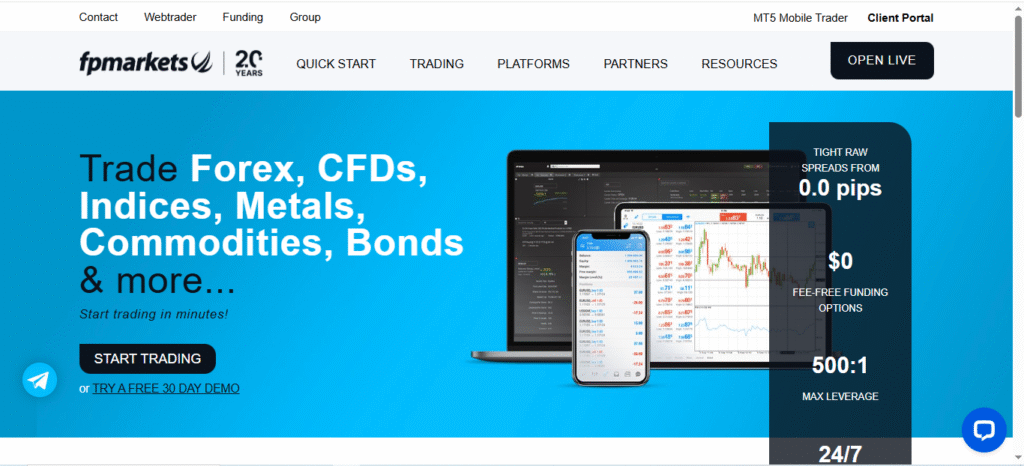
The world of online trading promises quick riches and financial freedom, but beneath the surface of glossy advertisements and enticing testimonials, a darker reality often lurks. Our investigative team has turned its spotlight on a platform operating under the guise of “Online CFD Trading,” and what we’ve uncovered should serve as an urgent warning to anyone considering entrusting their money to this entity. This article delves deep into the alarming pattern of user complaints, significant regulatory red flags, and deceptive practices that paint a troubling picture of Online CFD Trading. Before you even think about depositing your hard-earned capital, read this critical exposé. Your financial security could depend on it.
Regulatory Warnings and Compliance Issues: A Troubling Record
One of the most immediate and glaring red flags surrounding Online CFD Trading is its dubious regulatory status. In the volatile world of Contracts for Difference (CFDs), robust regulation is not merely a suggestion; it is a fundamental requirement for investor protection. Our investigation reveals a concerning lack of proper authorisation, raising serious questions about the legitimacy and accountability of Online CFD Trading.
Unlicensed Operations and Jurisdictional Dodging
Legitimate CFD brokers are typically regulated by reputable financial authorities in the jurisdictions where they operate. These bodies, such as the Financial Conduct Authority (FCA) in the UK, the Australian Securities and Investments Commission (ASIC), or CySEC in Cyprus, impose strict rules regarding capital adequacy, client fund segregation, transparency, and dispute resolution. Online CFD Trading, however, appears to operate without such oversight in many key markets. Our research indicates that the platform frequently changes its operational bases or provides vague, untraceable addresses, making it incredibly difficult for regulatory bodies or defrauded clients to pursue legal action. This deliberate obfuscation is a classic tactic used by unregulated entities seeking to evade accountability.
Red Flags from Financial Authorities
While Online CFD Trading may not be explicitly listed on every warning list, its operational characteristics mirror those of many entities that have been flagged by major regulators. Many financial watchdogs issue public alerts about unregulated firms, often highlighting common characteristics like high-pressure sales, guarantees of unrealistic returns, and difficulty withdrawing funds – all aspects we’ve found associated with Online CFD Trading. The absence of a clear, verifiable license from a top-tier regulator should immediately trigger alarm bells for any prospective investor. For instance, the FCA regularly updates its Warning List, and entities matching the profile of Online CFD Trading are frequently added.
Misleading Claims of Regulation
Further compounding the regulatory concerns are the often-misleading claims made by Online CFD Trading regarding its compliance and security. While they might display generic security badges or make vague statements about “adhering to international standards,” these claims often lack specific, verifiable details. There’s a stark difference between claiming to be “compliant” and actually holding a specific, active license from a recognized financial authority. This deceptive practice is designed to instill a false sense of security in potential investors, masking the inherent risks of dealing with an unregulated broker.
Analysis of User Complaints: A Pattern of Predatory Practices
The most damning evidence against Online CFD Trading comes directly from the numerous, consistent, and often heartbreaking complaints from individuals who have engaged with the platform. Across various independent review sites, consumer forums, and social media, a disturbing pattern emerges, painting a picture of deliberate manipulation and outright financial predation. These Online CFD Trading complaints are not isolated incidents but rather a systemic issue.
Aggressive Sales Tactics and Pressure to Deposit More
Many users report being subjected to relentless and aggressive sales tactics immediately after making an initial small deposit. “Account managers” from Online CFD Trading allegedly employ high-pressure techniques, urging clients to invest substantially larger sums, often leveraging emotional appeals or fear of missing out on “guaranteed profits.” These tactics often involve daily phone calls, emails, and even messages through encrypted apps, creating an environment where investors feel constantly pressured to commit more capital, often beyond their financial comfort zones.
Account Manipulation and Unrealistic Promises
A recurring theme in Online CFD Trading complaints is the alleged manipulation of trading accounts. Users describe initial periods of seemingly successful trades, often guided by their “account manager,” which builds false confidence. However, when larger sums are invested, trades mysteriously turn unprofitable, or accounts suffer significant losses. This pattern is often accompanied by promises of recovering losses if more funds are deposited, trapping clients in a vicious cycle. The “account managers” often push exotic or high-risk CFDs, which are poorly understood by novice traders, leading to rapid capital depletion. This is a common tactic in many financial scams, as detailed in articles like [How to Spot a Trading Scam: Your Ultimate Guide].
The Illusion of Profitability: How Trades Go Wrong
The initial “success” observed by many users often turns out to be an illusion. Some reports suggest that trades executed on the Online CFD Trading platform might not be genuine market trades at all, but rather internal manipulations designed to show temporary gains before orchestrating larger losses. This “smoke and mirrors” approach ensures that clients believe they are trading successfully until their investments are substantial enough to be systematically wiped out. The platform’s interface might show impressive returns, but these are often un-withdrawable profits, further highlighting the deceptive nature of their operations.
Withdrawal Problems: The Ultimate Red Flag
Perhaps the most critical and consistent warning sign associated with Online CFD Trading is the pervasive difficulty, if not outright impossibility, of withdrawing funds. This issue is not merely an inconvenience; it is a hallmark of fraudulent operations and a primary driver of the Online CFD Trading scam narrative among victims.
Endless Delays and Unjustified Fees
When clients attempt to withdraw their profits or even their initial capital from Online CFD Trading, they are often met with a barrage of excuses, endless delays, and requests for additional documentation. What should be a straightforward process becomes an arduous battle. Users report waiting weeks, even months, for withdrawals that never materialise. During this period, “account managers” might suddenly become unresponsive, or new personnel might take over, claiming ignorance of previous agreements. This deliberate stalling tactic is designed to frustrate clients into giving up or to provide more opportunities for further deception.
Requiring More Deposits to “Process” Withdrawals
A particularly insidious tactic reported by victims of Online CFD Trading involves the demand for additional deposits to “process” a withdrawal. Clients are told they need to pay a “tax,” “insurance fee,” “conversion fee,” or “anti-money laundering fee” before their funds can be released. These are entirely fabricated charges, designed solely to extract more money from already distressed individuals. This is a classic Online CFD Trading scam tactic, where the promise of retrieving funds is used as bait for further financial exploitation. Once these “fees” are paid, the withdrawal remains pending, and new excuses or demands for more money inevitably follow.
The Disappearing Act: When Funds Vanish
Ultimately, for many who have tried to withdraw funds from Online CFD Trading, the outcome is the same: their money vanishes. Accounts are often frozen, access is denied, or communication ceases entirely. The funds simply disappear, leaving investors with nothing but a bitter experience and significant financial losses. This final stage of the Online CFD Trading scam leaves victims feeling helpless and betrayed, with little recourse against an elusive and unregulated entity.
Deceptive Marketing Tactics and False Promises
Online CFD Trading employs a range of sophisticated and often unethical marketing tactics to lure unsuspecting investors. These strategies are designed to create an illusion of credibility, success, and opportunity, masking the underlying risks and predatory nature of the platform.
Inflated Success Stories and Celebrity Endorsements
The marketing for Online CFD Trading often features fabricated success stories, unrealistic profit claims, and, in some instances, even fake celebrity endorsements. These testimonials, often found on social media or obscure websites, are designed to create a sense of trust and aspirational wealth, convincing potential clients that similar results are easily achievable. In reality, these are often paid actors or entirely fictional narratives, a common characteristic of many online investment scams.
High-Pressure Sales and Boiler Room Operations
Behind the glossy facade, the sales operations of Online CFD Trading reportedly resemble classic “boiler room” setups. Call centres, often located in countries with lax regulatory oversight, employ aggressive sales agents trained to pressure individuals into investing. These agents use psychological manipulation, creating urgency and exploiting financial anxieties, pushing people to make quick, ill-informed decisions. This environment is designed to overwhelm potential investors, preventing them from conducting proper due diligence or questioning the validity of the claims.
Complex Terms and Conditions Designed to Confuse
While a legitimate broker will have clear, concise, and transparent terms and conditions, those associated with Online CFD Trading are often deliberately convoluted and filled with jargon. This complexity serves a dual purpose: it makes it difficult for investors to understand their rights and obligations, and it often contains clauses that can be invoked by the platform to justify denied withdrawals or account closures. The lack of transparency in these critical documents is a significant red flag, indicating a deliberate attempt to obscure the true nature of the agreement. Understanding CFD risks is crucial, and platforms like Online CFD Trading often exploit this knowledge gap.
The Anatomy of an “Online CFD Trading” Scam: How It Works
Based on the numerous reports and our investigation, the modus operandi of the Online CFD Trading scam follows a predictable, multi-stage pattern designed to extract as much money as possible from victims.
- Initial Contact and Lure: Victims are often contacted through unsolicited emails, social media ads, or cold calls, promising high returns with minimal effort. The initial lure is usually a small, manageable deposit, often as low as $250, to “get started.”
- Building Trust and Encouraging Deposits: Once the initial deposit is made, a charming “account manager” is assigned. This individual cultivates a relationship with the client, showing initial small profits to build trust and confidence. The goal is to encourage larger deposits, often through persuasive arguments about “missed opportunities” or “unlocking higher profit tiers.”
- The “Account Manager” Pressure: As the client invests more, the pressure from the account manager intensifies. They push for larger, more frequent deposits, often into high-risk CFDs, assuring the client that their expertise will mitigate any risk. This stage often involves showing fabricated profits on the platform to maintain the illusion of success.
- The Withdrawal Trap: When the client attempts to withdraw funds, the elaborate scam truly begins to unravel. Requests are delayed, new “fees” are demanded, and a myriad of excuses are provided. The “account manager” might even disappear, only to be replaced by another who demands more money to “resolve” the issue.
- The Final Blow: Account Closure or Unresponsiveness: Eventually, after exhausting all avenues for further deposits, the platform typically cuts off communication, freezes the account, or simply makes the client’s funds inaccessible. The client is left with nothing, and the “Online CFD Trading” entity moves on to new victims.
Protecting Yourself: Steps to Take Before and After
Given the pervasive nature of scams like Online CFD Trading, it is imperative for individuals to be proactive in protecting their financial interests.
Before Investing: Due Diligence is Paramount
- Verify Regulation: Always check if a broker is regulated by a reputable financial authority in your jurisdiction. Do not just take their word for it; verify it directly on the regulator’s official website. If Online CFD Trading cannot provide clear, verifiable regulatory details, walk away.
- Read Reviews, But Be Critical: Look for independent reviews from multiple sources. Pay close attention to patterns of complaints regarding withdrawals, aggressive sales, and account manipulation. Be wary of overly positive, generic reviews that lack specific details.
- Understand the Product: CFDs are complex, high-risk instruments. Ensure you fully understand how they work and the potential for significant losses. If a platform like Online CFD Trading makes it sound too easy, it’s a major red flag. For more information, refer to [Understanding CFD Risks: What Every Investor Must Know].
- Beware of Unsolicited Offers: Legitimate financial advisors rarely cold-call or email unsolicited investment opportunities. Treat any such contact with extreme suspicion.
- Start Small (If at All): If you absolutely must engage with an unfamiliar platform, start with the smallest possible amount and attempt a withdrawal early to test the system. However, for platforms like Online CFD Trading with so many red flags, complete avoidance is the best strategy.
If You’ve Been Affected by Online CFD Trading
- Stop All Communication and Deposits: Immediately cease all contact with Online CFD Trading and their “account managers.” Do not send any more money, regardless of the promises or threats.
- Gather All Evidence: Collect every piece of documentation you have: emails, chat logs, transaction records, bank statements, screenshots of your account, and any correspondence with the platform. This evidence will be crucial for reporting.
- Report to Authorities:
- Your Local Financial Regulator: File a formal complaint with the financial regulatory body in your country (e.g., FCA, ASIC, CySEC, FINRA). Even if Online CFD Trading is not directly regulated there, they can issue warnings or assist with international cooperation.
- Law Enforcement: Report the fraud to your local police or cybercrime unit.
- Consumer Protection Agencies: Contact consumer protection organisations that deal with financial fraud.
- Your Bank/Payment Provider: Inform your bank or credit card company immediately. They might be able to initiate a chargeback or dispute the transactions, especially if they were recent.
- Seek Legal Advice: Consult with a lawyer specializing in financial fraud or asset recovery. They can advise on the best course of action, though recovering funds from unregulated offshore entities can be challenging.
- Warn Others: Share your experience on reputable consumer review sites and forums to help prevent others from falling victim to the Online CFD Trading scam.
Conclusion: A Resounding Warning Against Online CFD Trading
Our extensive investigation into Online CFD Trading has uncovered a deeply concerning pattern of regulatory non-compliance, aggressive and deceptive marketing, systemic user complaints, and, most critically, severe and persistent withdrawal problems. These are not isolated incidents but rather hallmarks of a platform that appears to be operating with little regard for ethical standards or investor protection.
The evidence strongly suggests that Online CFD Trading is not a legitimate investment opportunity but rather a sophisticated scheme designed to entice, entrap, and ultimately defraud unsuspecting individuals. We issue a strong, unequivocal warning: DO NOT invest your money with Online CFD Trading. The risks are immense, and the likelihood of recovering your funds, once deposited, is exceedingly low.
If you or someone you know has been targeted by or fallen victim to Online CFD Trading, we urge you to take immediate action. Cease all contact, gather all available evidence, and report the incident to relevant financial authorities and law enforcement agencies without delay. Your vigilance can not only protect your own finances but also help prevent others from becoming the next victim of this pervasive Online CFD Trading scam.
External Links Reference Table
| Anchor Text | URL |
|---|---|
| Warning List | https://www.fca.org.uk/consumers/warnings/firms-individuals |
| ASIC’s Investor Alert List | https://asic.gov.au/for-consumers/scams/investor-alert-list/ |
| How to Report a Scam: A Guide from Action Fraud | https://www.actionfraud.police.uk/how-to-report-fraud |